Why 91 Octane Live Resin Stands Out in the Concentrate World
After years of sampling concentrates from Washington State to California, I have learned to spot the difference between something that was rushed to market and something that was handled with care. The moment I opened a jar of 91 octane live resin for the first time, the smell alone told me I was dealing with a different tier of product. That initial impression stuck with me, and it is what eventually pushed me to understand the process that makes a concentrate like this so distinctive.
Live resin has become a favorite among people who want the full spectrum of what the plant can offer. Unlike older extraction methods that relied on heat or harsh solvents, live resin is made from plant material that is frozen immediately after harvest. That step alone changes everything. It preserves the delicate cannabis terpenes and cannabinoids that would otherwise degrade during drying or curing. The result is a concentrate that tastes closer to the living plant than anything else I have tried.
The Extraction Difference
Low-temperature extraction is the backbone of a good live resin. The idea is simple: keep the material cold enough that the trichomes become brittle and snap off easily, while the unwanted plant waxes and fats stay behind. But the execution requires real attention. If the temperature creeps up even a few degrees, you start losing the volatile compounds that give each strain its personality.
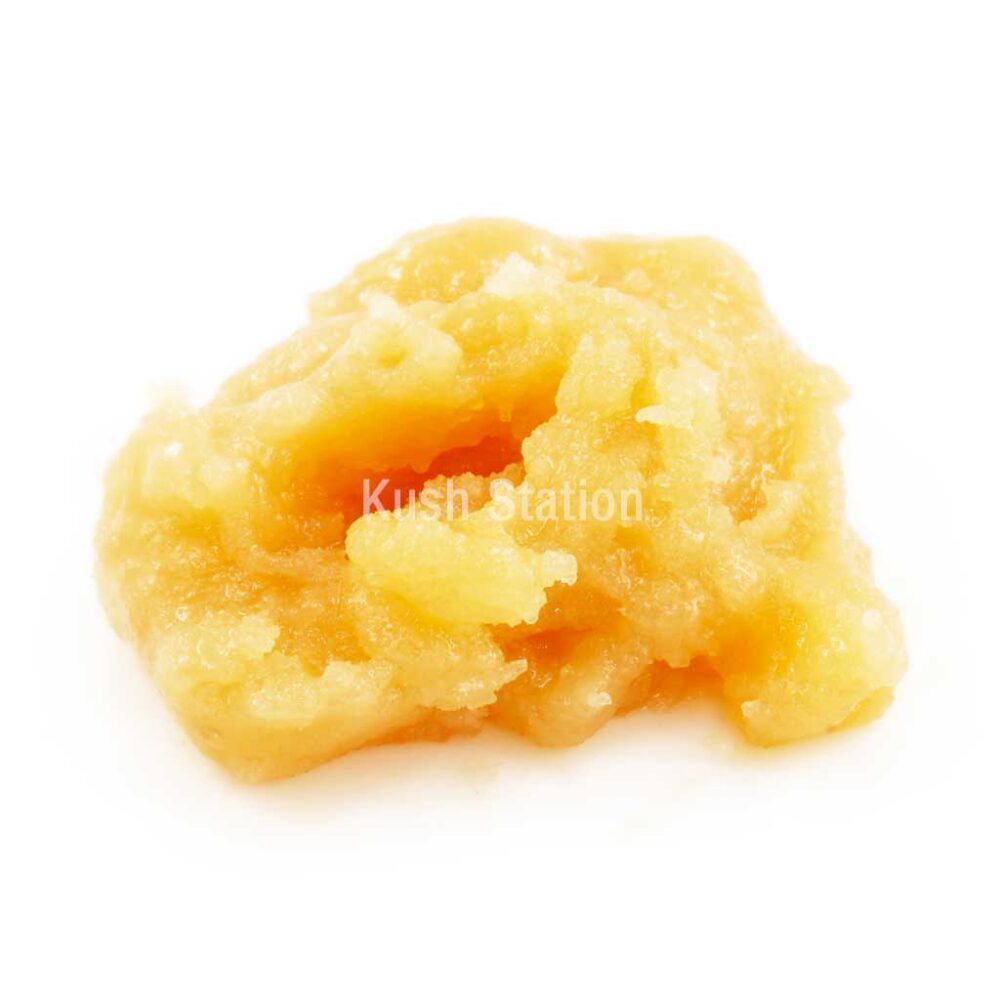
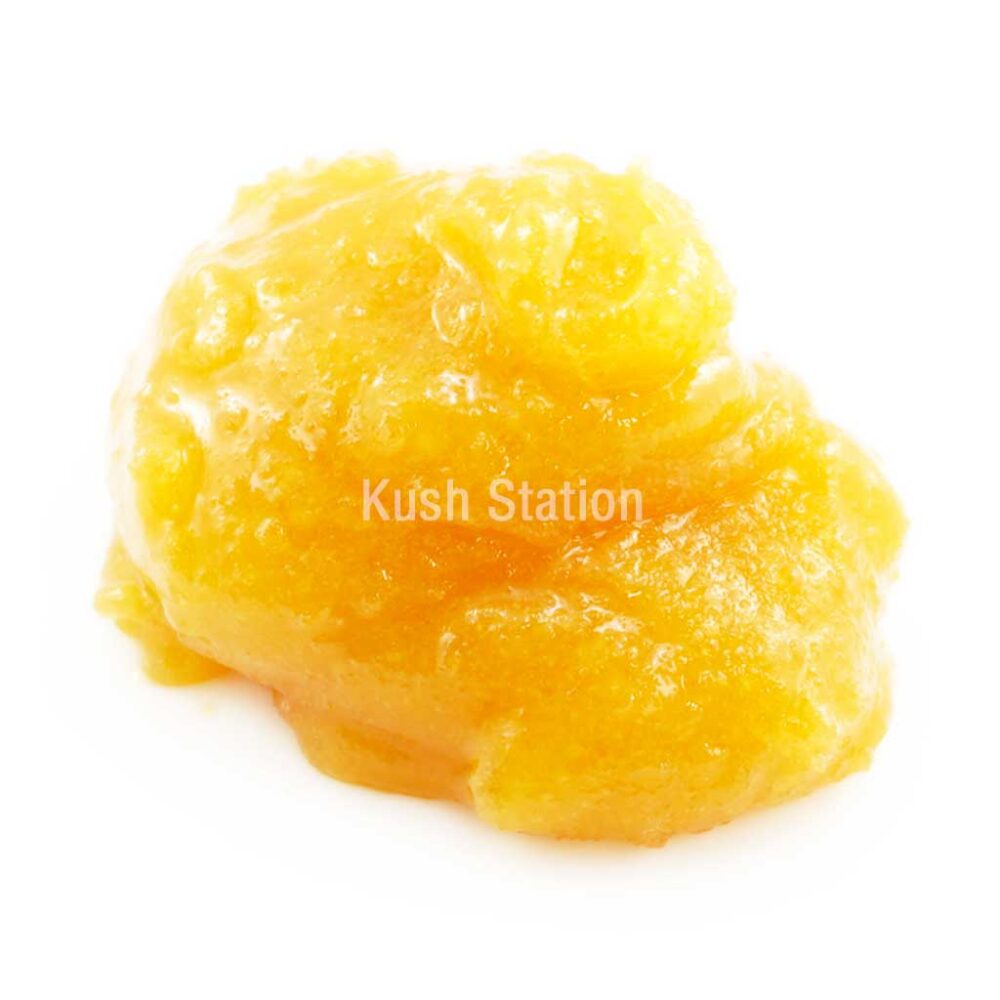
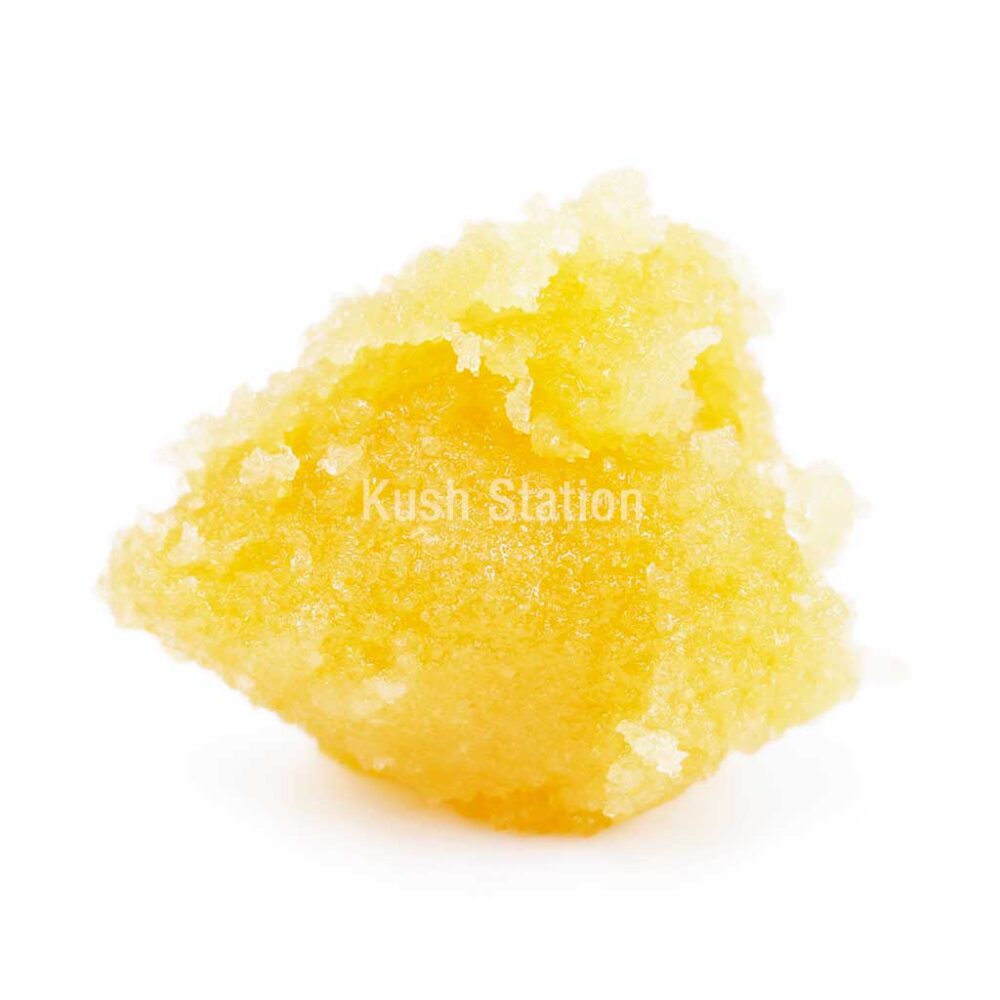
With 91 octane live resin, the focus on low-temperature extraction is obvious in the final product. The color is a pale gold, almost translucent, and the consistency is more like a soft wax than a sticky oil. That texture tells you the processor did not overcook the material. It also means the terpene profile is intact, which is why the flavor hits so hard on the first dab. You get the full range of notes without any of the burnt or plastic undertones that come from higher-heat methods.
Solventless Extraction and Why It Matters
There is a growing preference for solventless extraction in the concentrate world, and for good reason. When you use butane or ethanol to strip the trichomes, you introduce a variable that can affect both safety and taste. Even with careful purging, trace amounts of solvent can remain. Solventless extraction avoids that entirely. It uses only mechanical separation, usually through sieving and pressure, to collect the resin.
Kush Station, the online store where I first found this product, clearly values that approach. Their selection of live resin products leans heavily on solventless methods, which aligns with what serious consumers look for. The 91 octane live resin I picked up from them was labeled as solventless, and the clean flavor confirmed it. No chemical aftertaste, no harshness on the exhale. Just the pure expression of the strain.
Flash-Frozen and Cold Cure: A Winning Combo
The phrase "flash-frozen" gets thrown around a lot, but it actually means something specific. Immediately after the plant is cut, it is brought down to subzero temperatures in a matter of minutes. This stops enzymatic breakdown and locks in the cannabis terpenes at their peak ripeness. The material is then stored in freezers until it is time for extraction.
Cold cure is the second part of the equation. After the resin is collected, it is aged at low temperatures for a period of weeks or even months. During this time, the cannabinoids and terpenes continue to interact, mellowing out the sharper edges and allowing more subtle flavors to emerge. A cold-cured live resin often has a more rounded profile than something that was packaged immediately. The 91 octane live resin I tried had been cold cured for about six weeks, and the difference was clear. The initial burst of pine and citrus was there, but it faded into a smooth, earthy finish that lingered on the palate.
Strain Selection and the Entourage Effect
Not all live resin is created equal, and a lot of that comes down to strain selection. Some strains simply produce better resin than others. The genetics matter, as does the growing environment. Indica-dominant strains tend to yield a denser, more sedative product, while Sativa profiles lean toward uplifting and energetic effects. Hybrids sit somewhere in the middle, offering a balance that works for a wide range of users.
The entourage effect is the idea that the various compounds in cannabis work better together than they do in isolation. THC and CBD get most of the attention, but the minor cannabinoids, terpenes, and flavonoids all play a role. A well-made live resin preserves that full ensemble. When I dabbed the 91 octane live resin, I felt the effects come on gradually, not as a single spike of intoxication. That gradual buildup is a hallmark of a product that still has its full chemical spectrum intact.
Concentrate Potency and Practical Use
Concentrate potency is usually measured by THC percentage, but that number only tells part of the story. A 70% THC concentrate can feel less potent than a 60% one if the terpene profile is richer or if the minor cannabinoids are present. Live resin, because it skips the drying and curing steps that degrade sensitive compounds, often retains higher levels of THCA and other precursors. That translates to a more complex effect, not just a stronger one.
When it comes to actually using the product, dabbing remains the most popular method. You heat a quartz banger or an e-nail to the right temperature, drop in a small amount of concentrate, and inhale the vapor. The key is temperature control. If you go too hot, you burn off the terpenes and end up with a harsh hit that tastes like nothing. If you go too low, the material won't vaporize fully. With a good live resin, the sweet spot is usually between 500 and 600 degrees Fahrenheit, depending on your setup. An e-nail makes this easier because it holds the temperature steady, but a quartz banger and a timer work just as well once you get the feel for it.
Why 91 Octane Live Resin Deserves Attention
The name "91 octane" suggests a fuel analogy, and it fits. This is a concentrate that hits hard and clean, with a flavor profile that stays interesting from the first hit to the last. The combination of flash-frozen material, solventless extraction, and cold cure results in a product that stands out even among other live resins. I have tried dozens of concentrates from various Washington State producers, and this one holds its own against anything in the premium tier.
Kush Station carries a rotating selection of live resin strains, and the 91 octane live resin is often a top seller. That popularity is not just marketing hype. People come back to it because the experience is consistent. The terpene profile is bold without being aggressive, and the effects are well-rounded enough for both daytime use and evening relaxation. If you are new to live resin, this is a solid entry point. If you are experienced, it will remind you why the format is worth the extra cost.
Final Thoughts on Choosing Live Resin
When you are shopping for live resin, look for a few key indicators. The color should be light, not dark. The consistency should be waxy, not runny or overly sticky. The aroma should be fresh and complex, not grassy or hay-like. And the label should tell you something about how it was made. If it says flash-frozen or cold cure, that is a good sign. If it says solventless, even better.
Strain selection also plays a role. A good Indica will give you deep relaxation, while a Sativa will keep you alert and creative. Hybrids offer the best of both. The 91 octane live resin I tried was a hybrid leaning slightly Indica, which made it versatile enough for any time of day. That balance is hard to find, and it is one reason the product has developed a loyal following.
At the end of the day, the point of live resin is to taste the plant as it was meant to be tasted. The best examples of the format capture the essence of the living flower, not just its potency. The 91 octane live resin does exactly that. It is a reminder that care in processing and attention to detail make a real difference in the final product. If you have not tried a high-quality live resin yet, this is the one to start with.